Featured Project
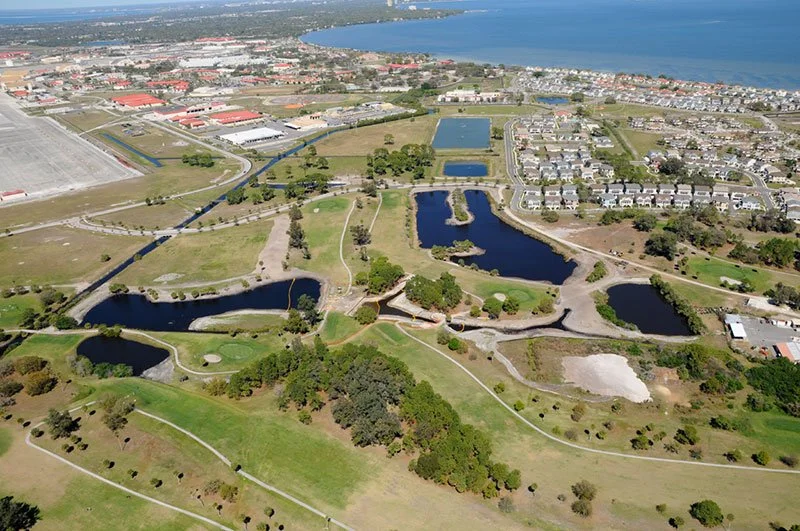
MacDill AFB - Mangrove, Saltern, and Freshwater Wetland Restoration
Phases 1-4
Cost: $1,673,505
Partners: Department of Defense/U.S. Air Force, Tampa Bay Estuary Program, National Oceanic and Atmospheric Administration, Southwest Florida Water Management District
Scroll below for full project gallery
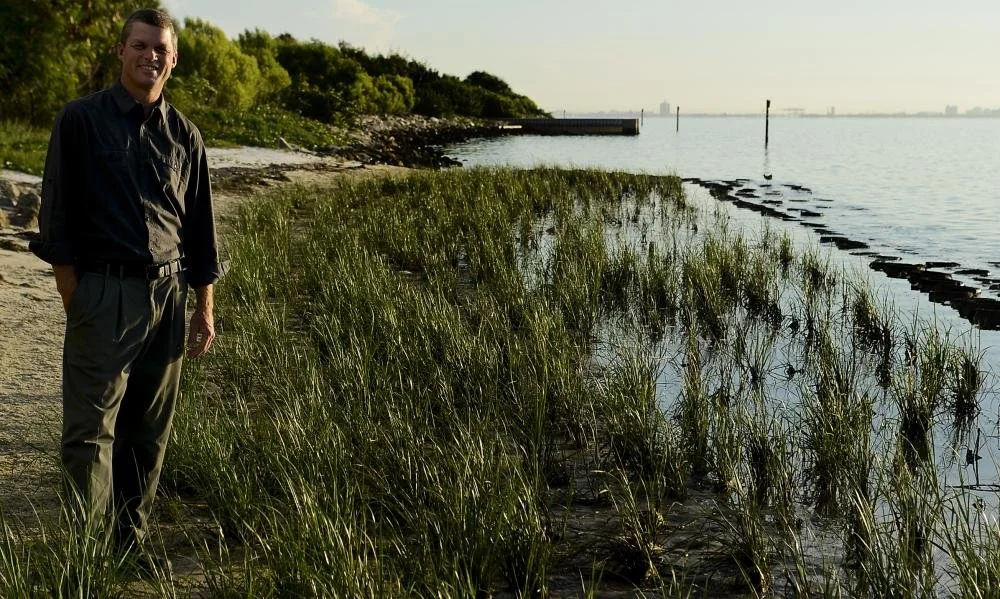
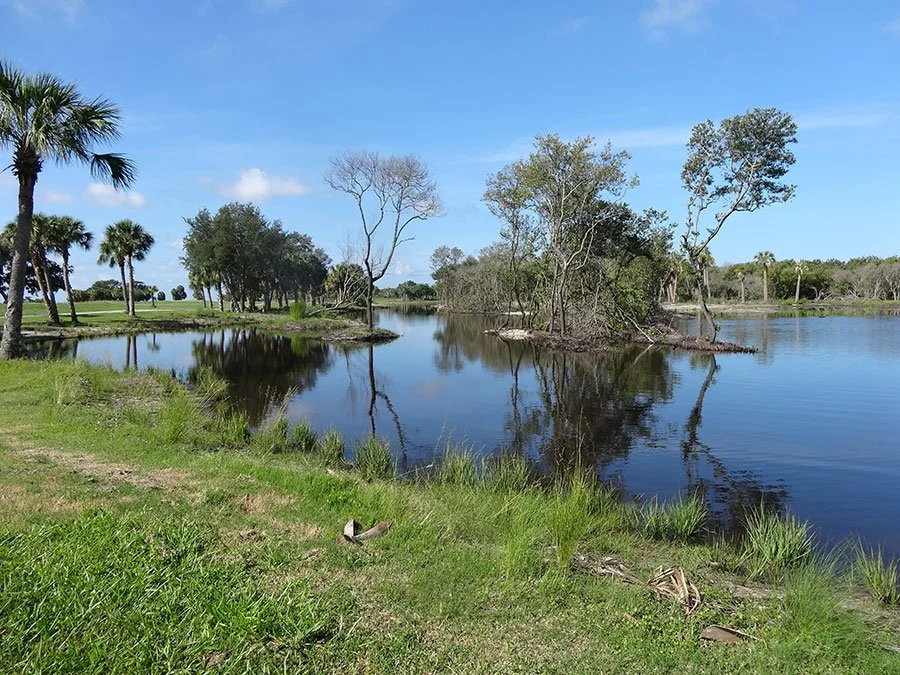
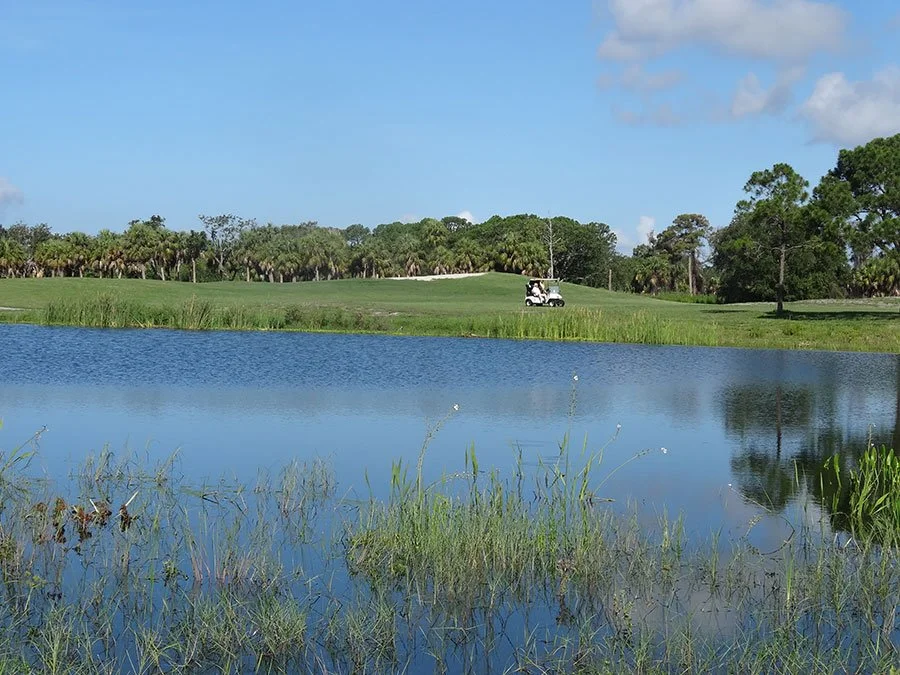
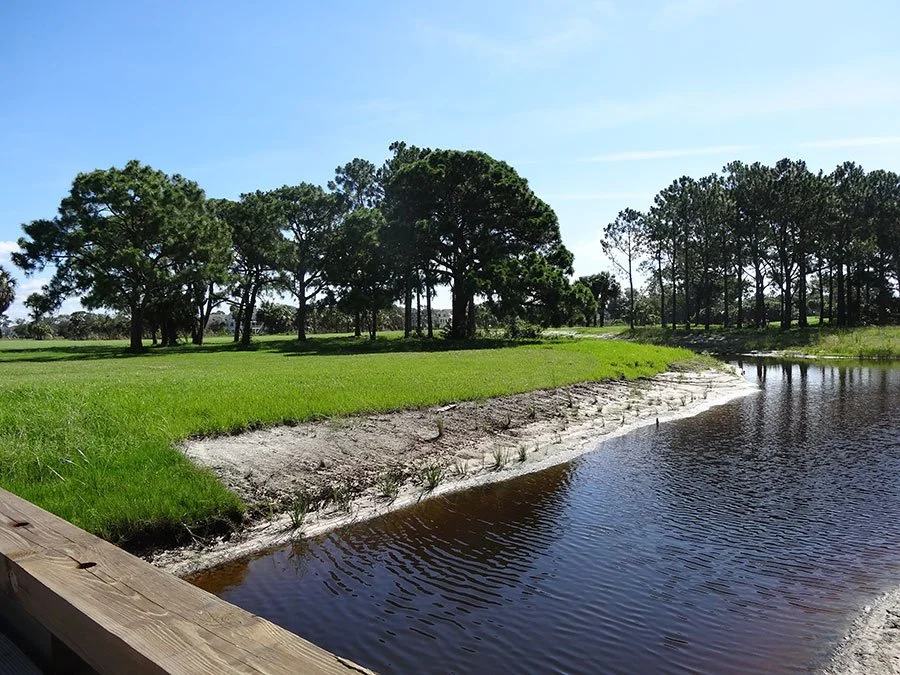
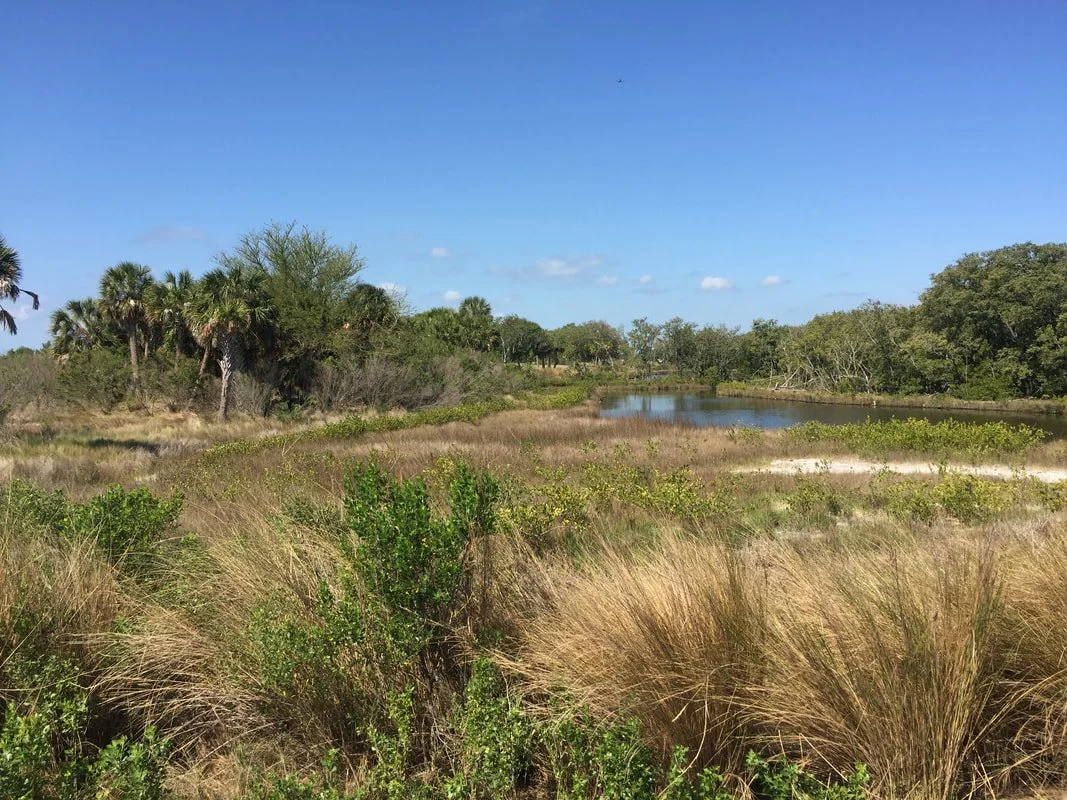
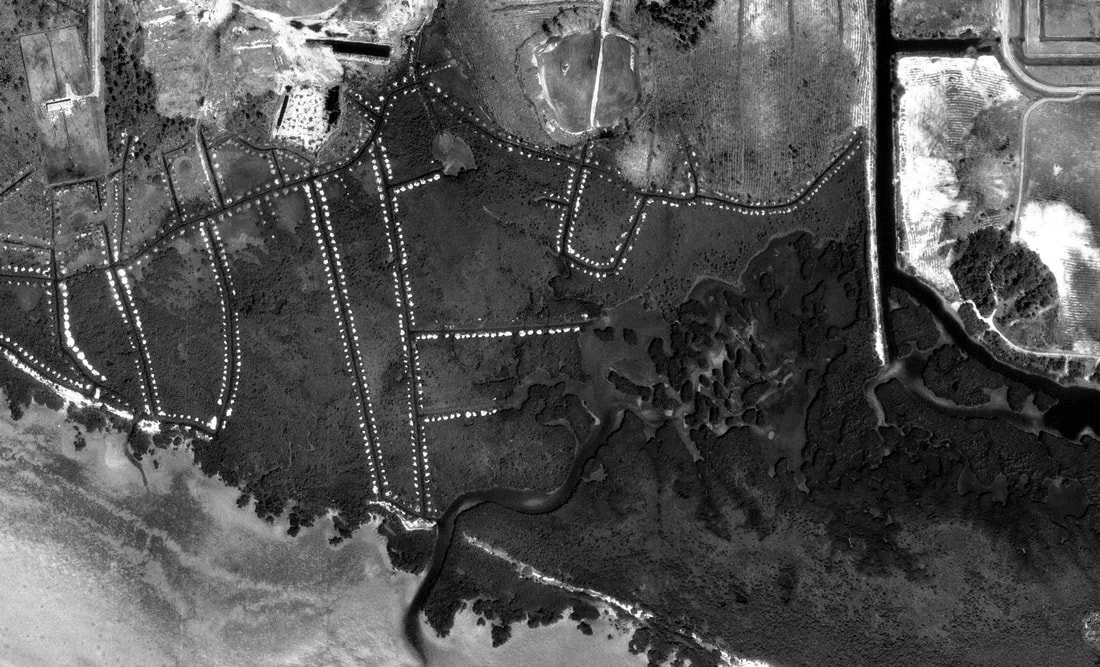
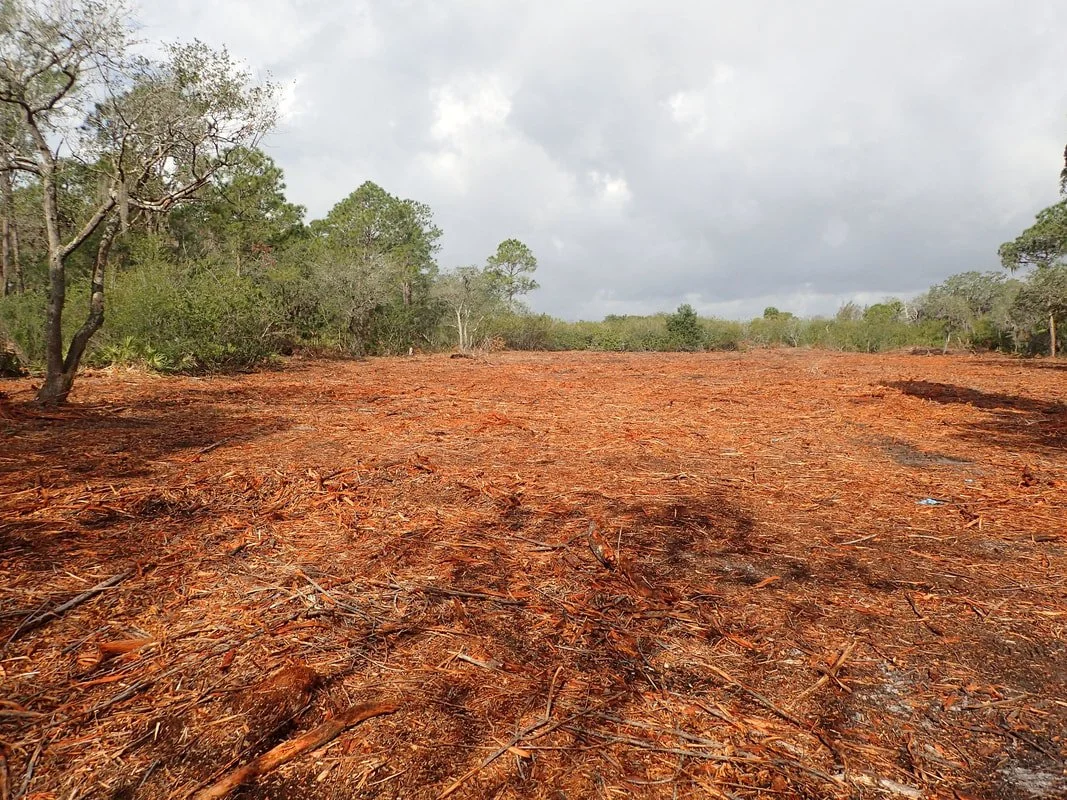
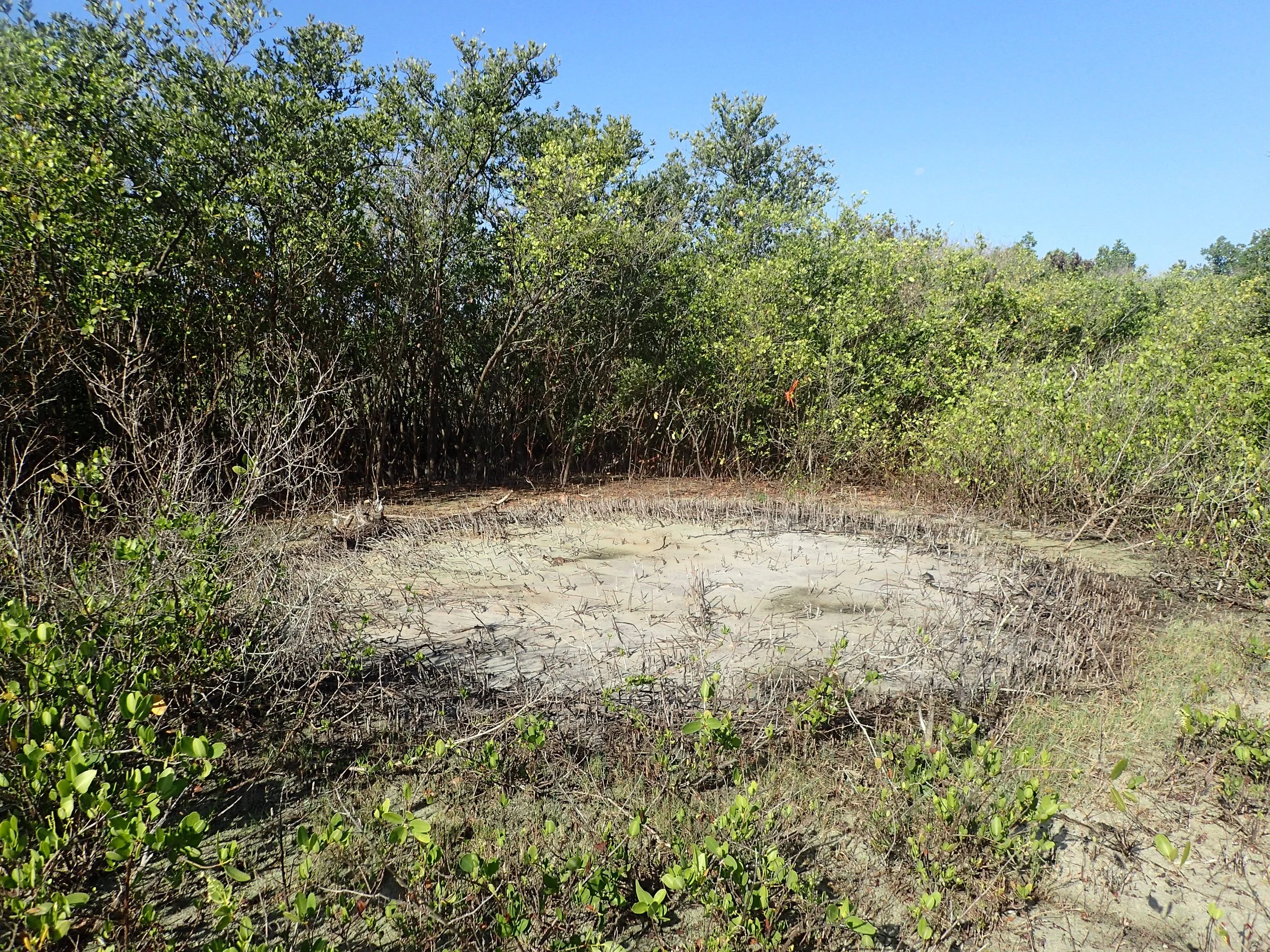
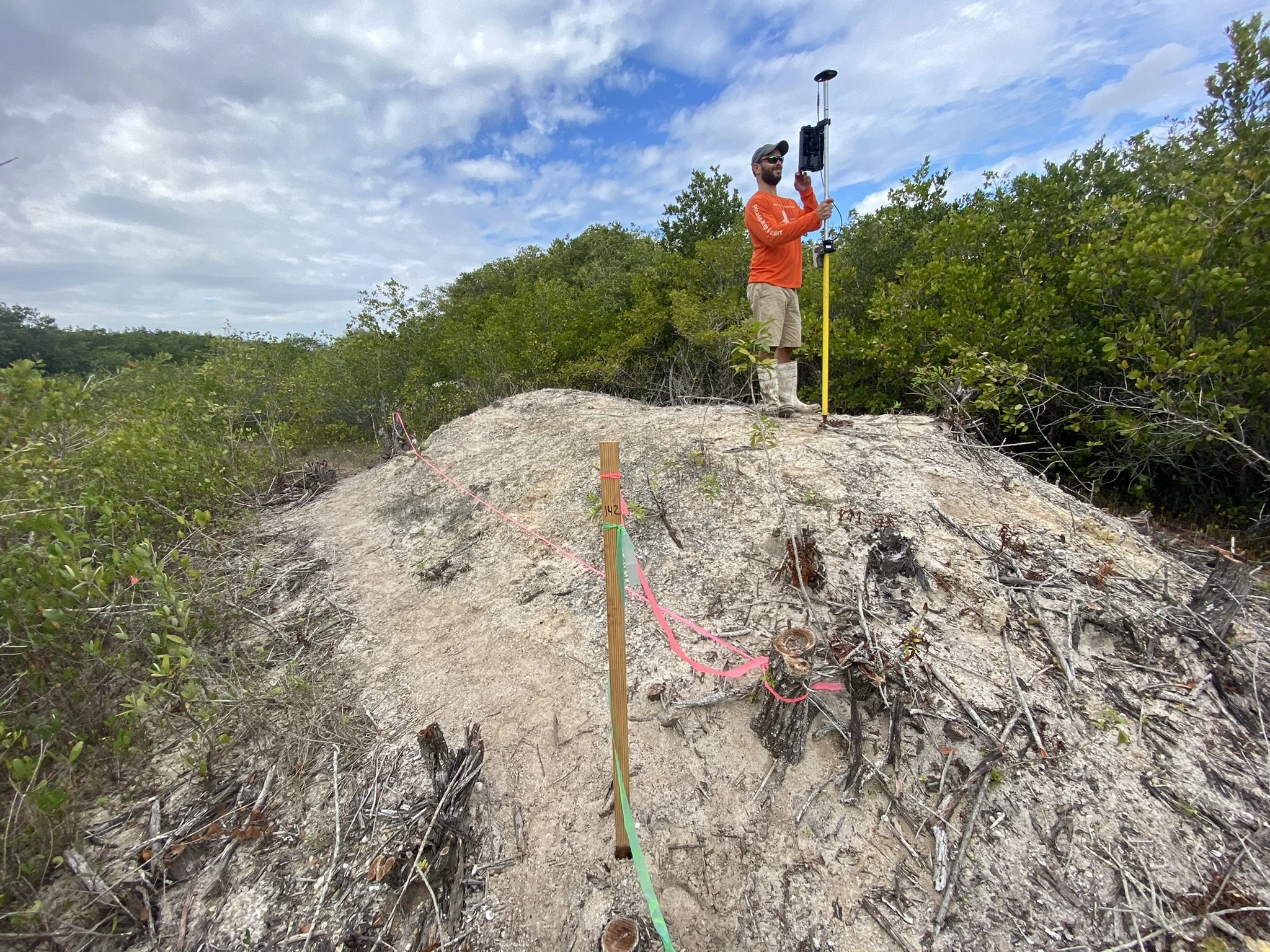
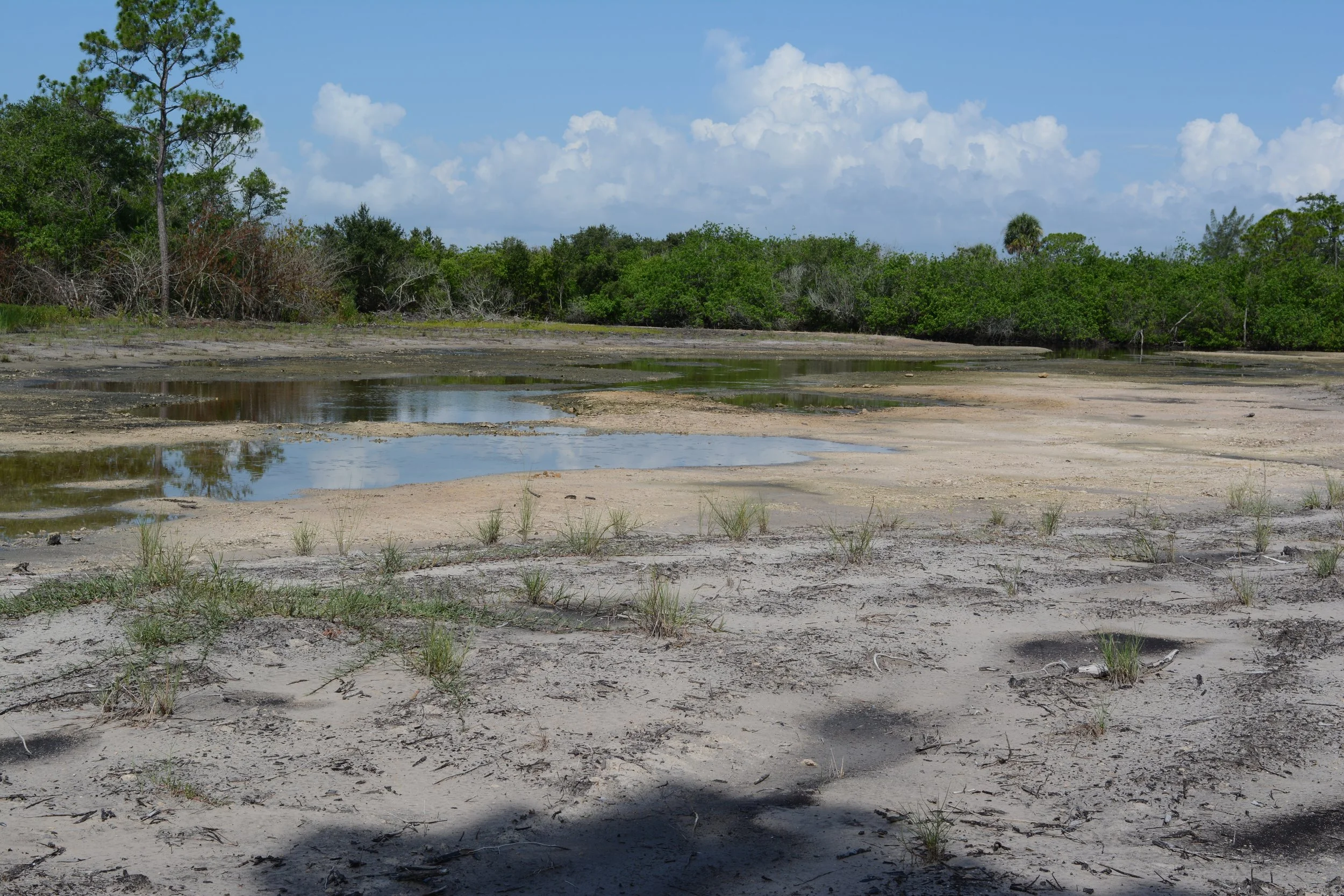
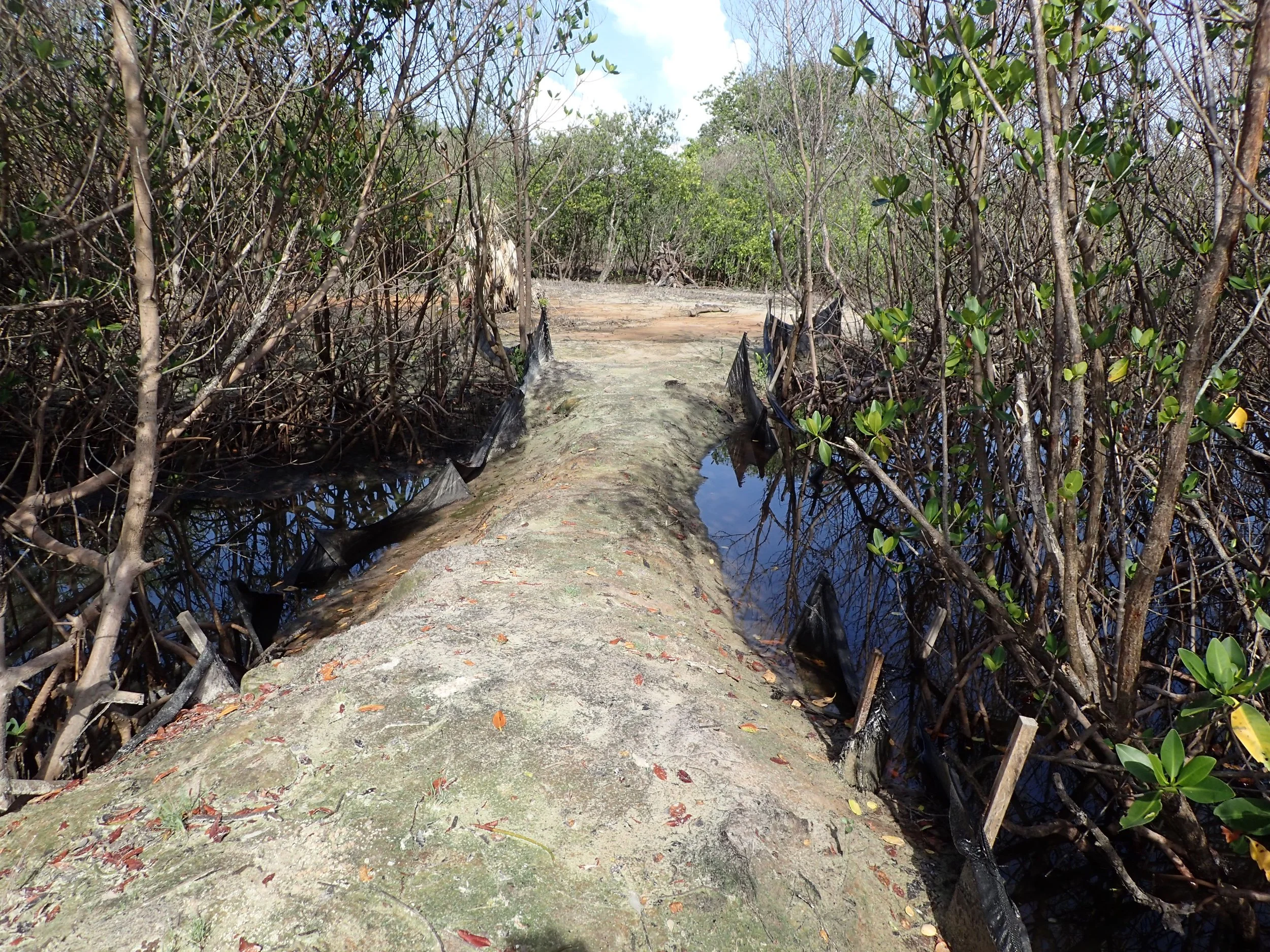
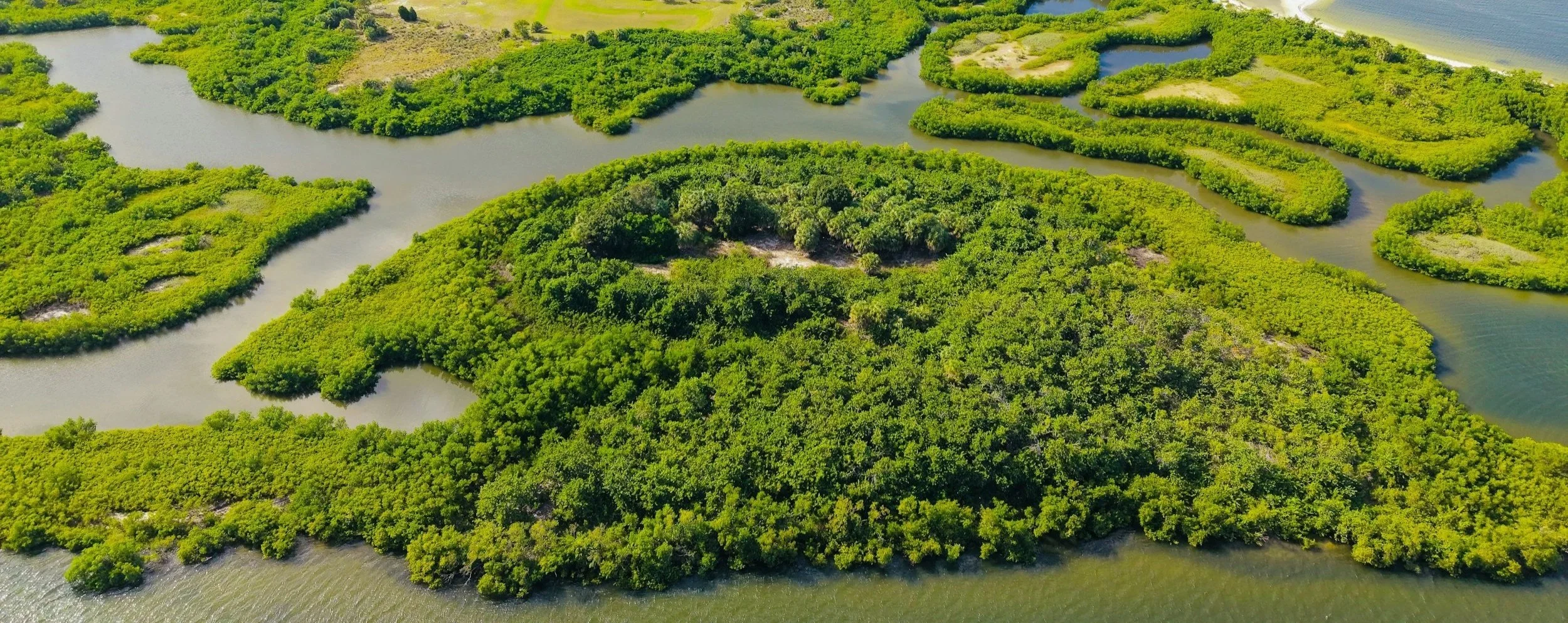
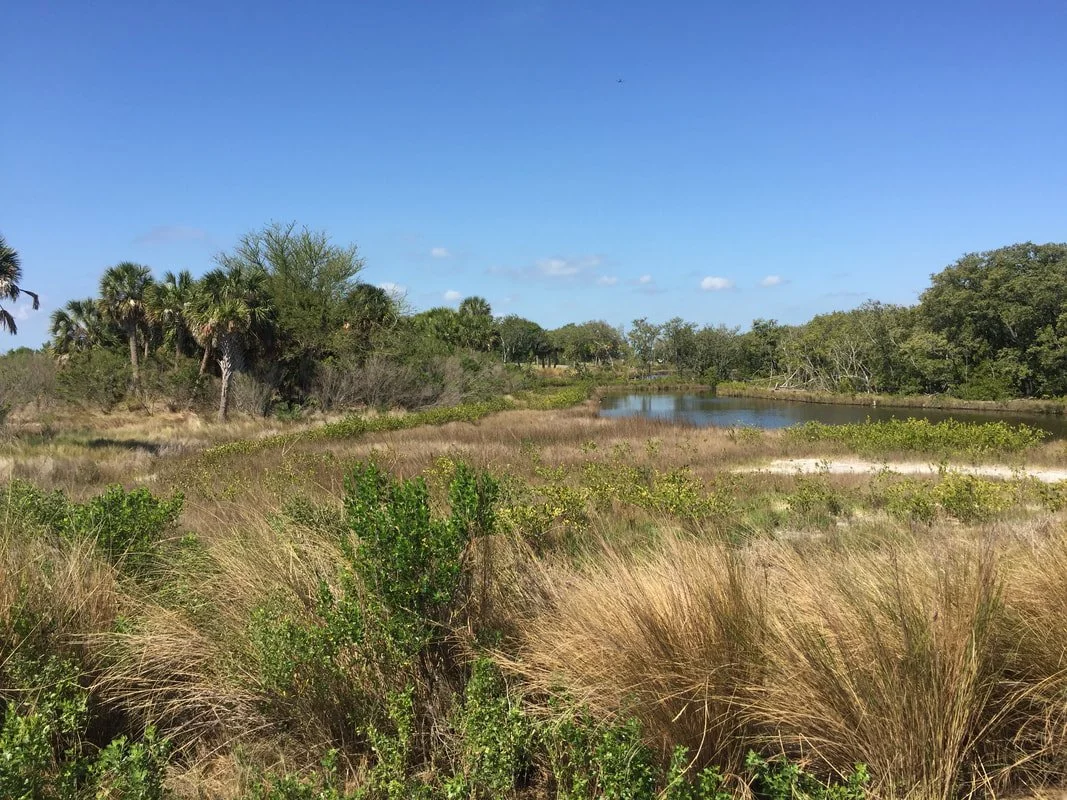
Restoration work at the southern end of MacDill Air Force Base focuses on restoring historic mangrove forests and rare high-salt marsh habitats that were heavily altered by mosquito control ditching in the 1960s and 1970s. The ditching created hundreds of spoil mounds that smothered mangroves and allowed invasive plants such as Brazilian pepper to spread across the wetland.
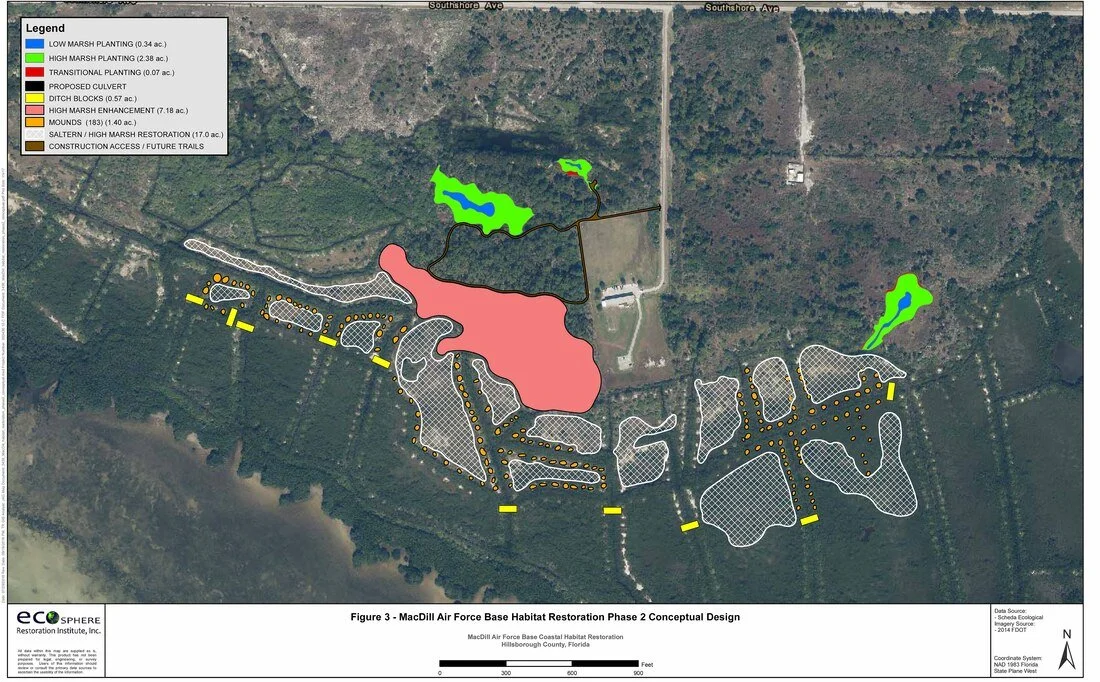
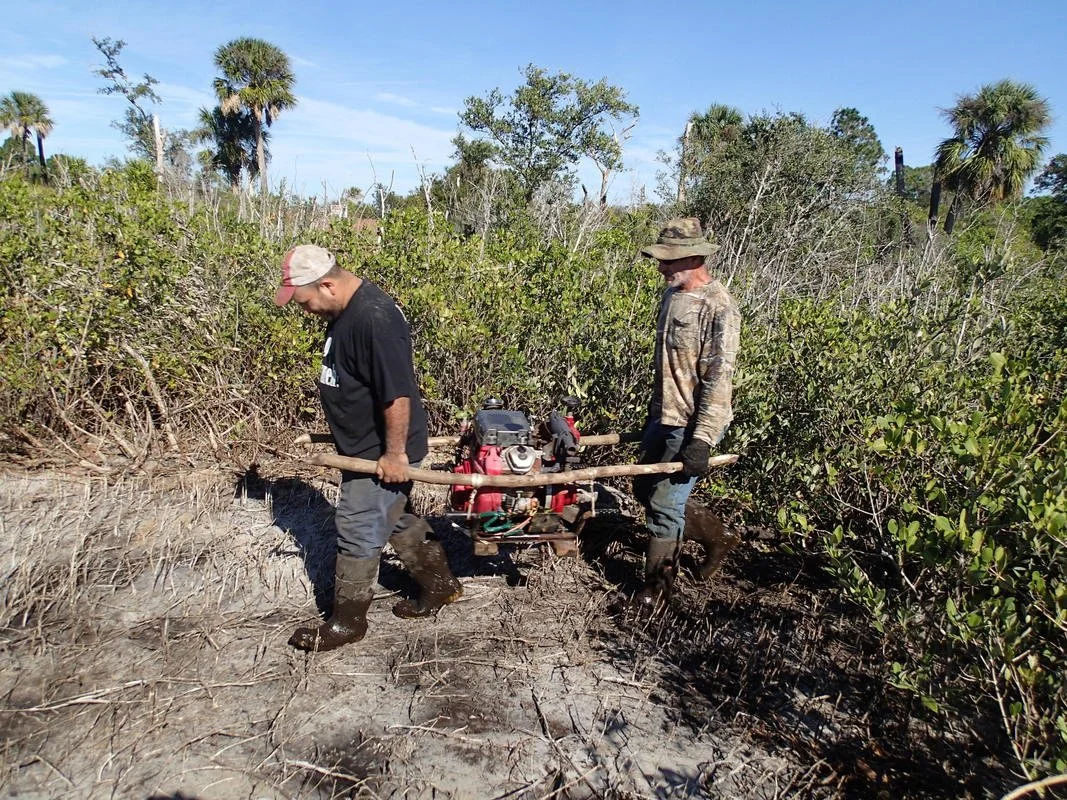
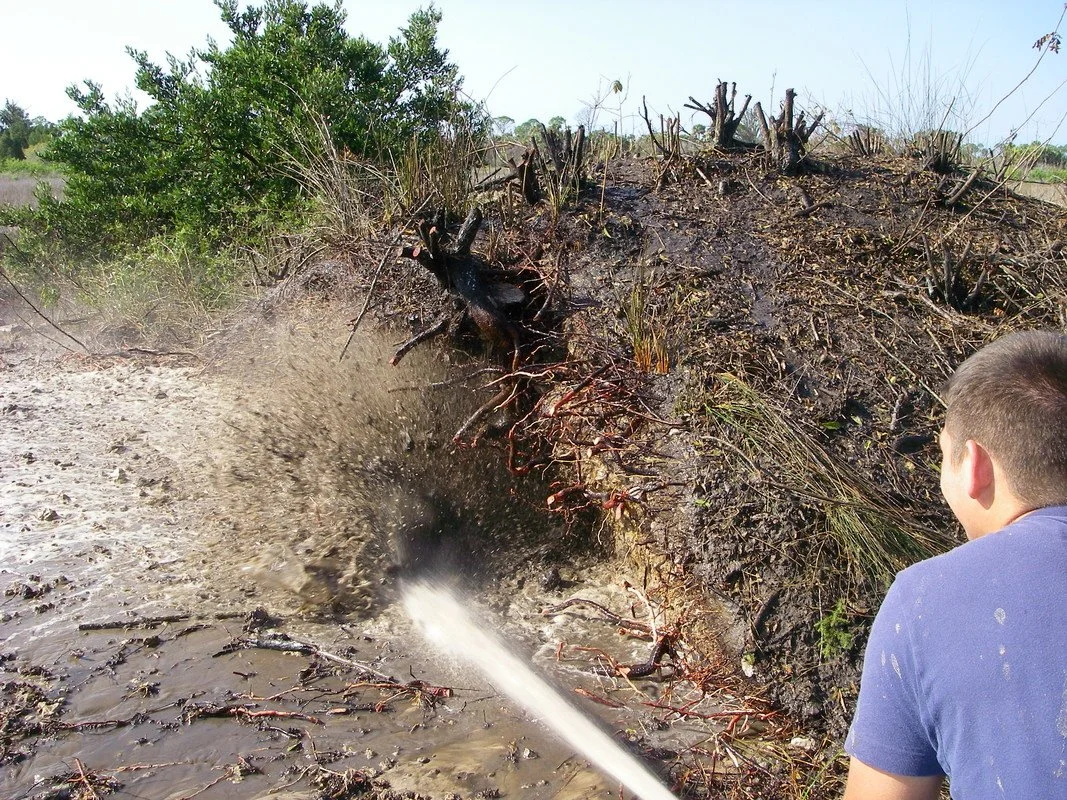
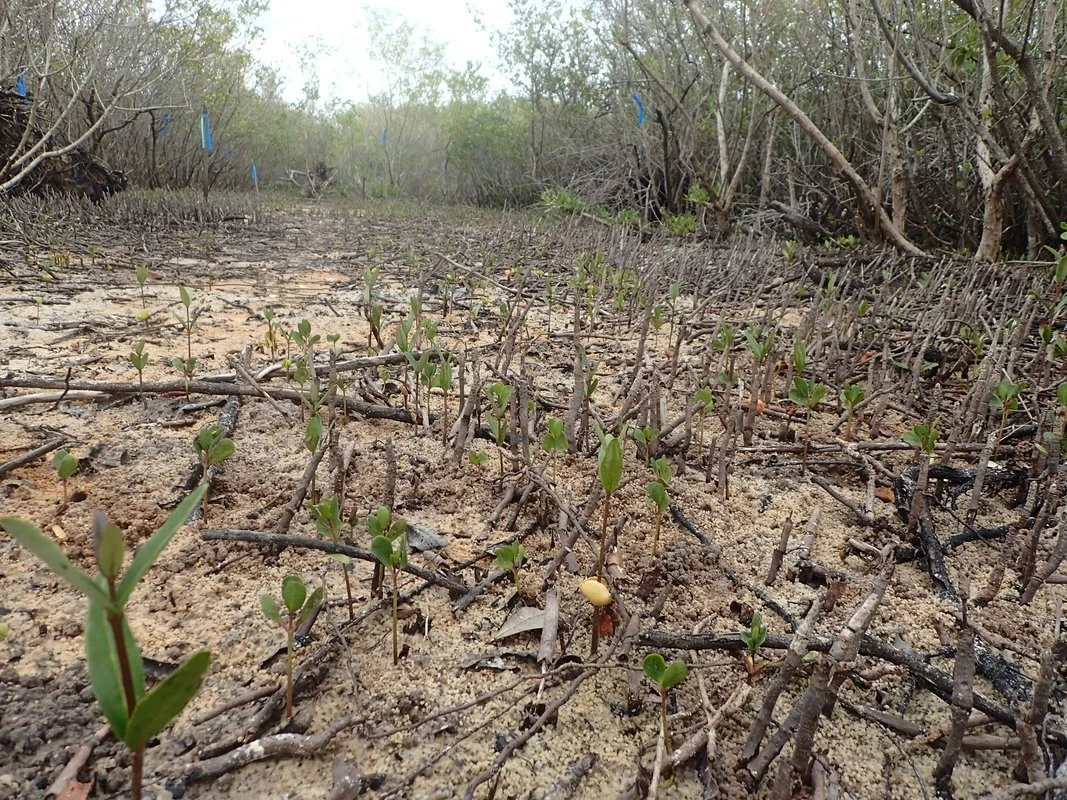
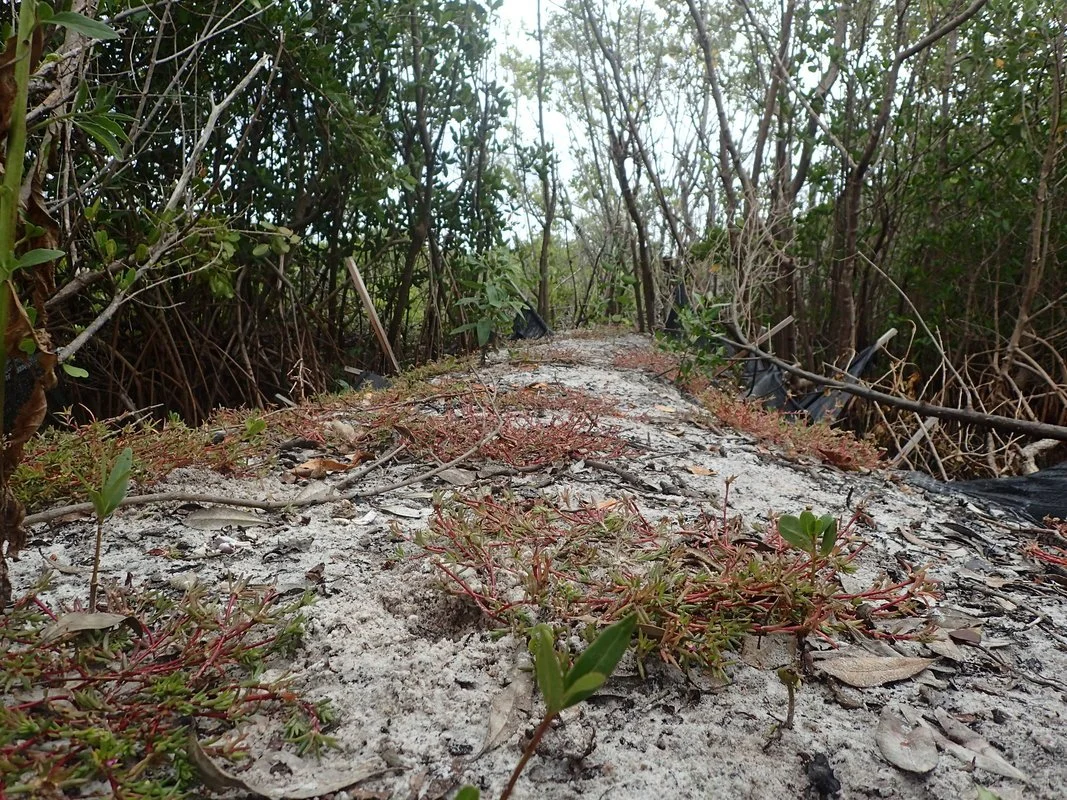
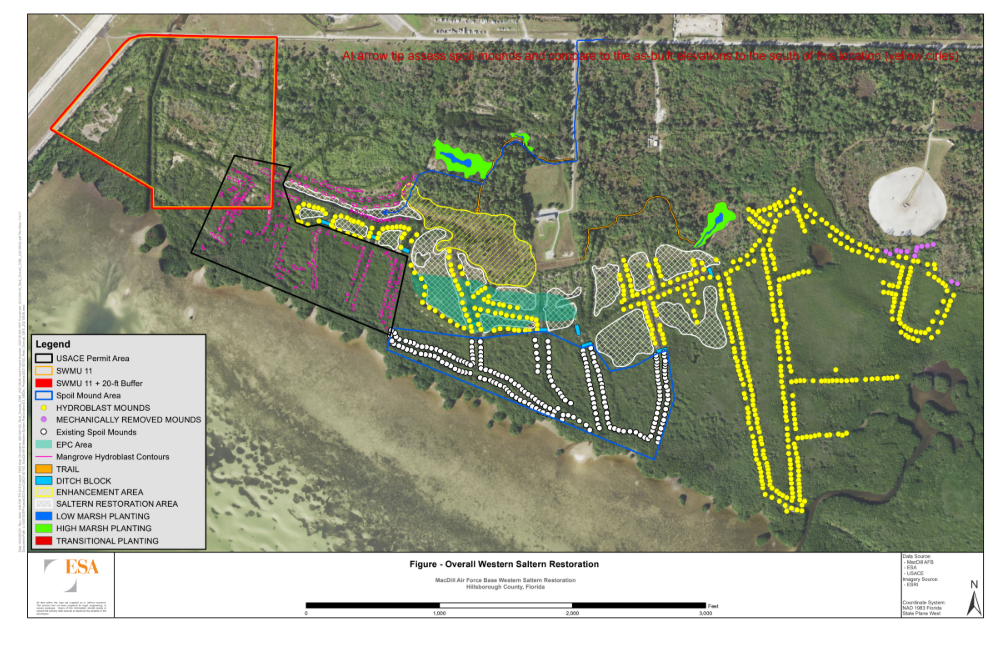
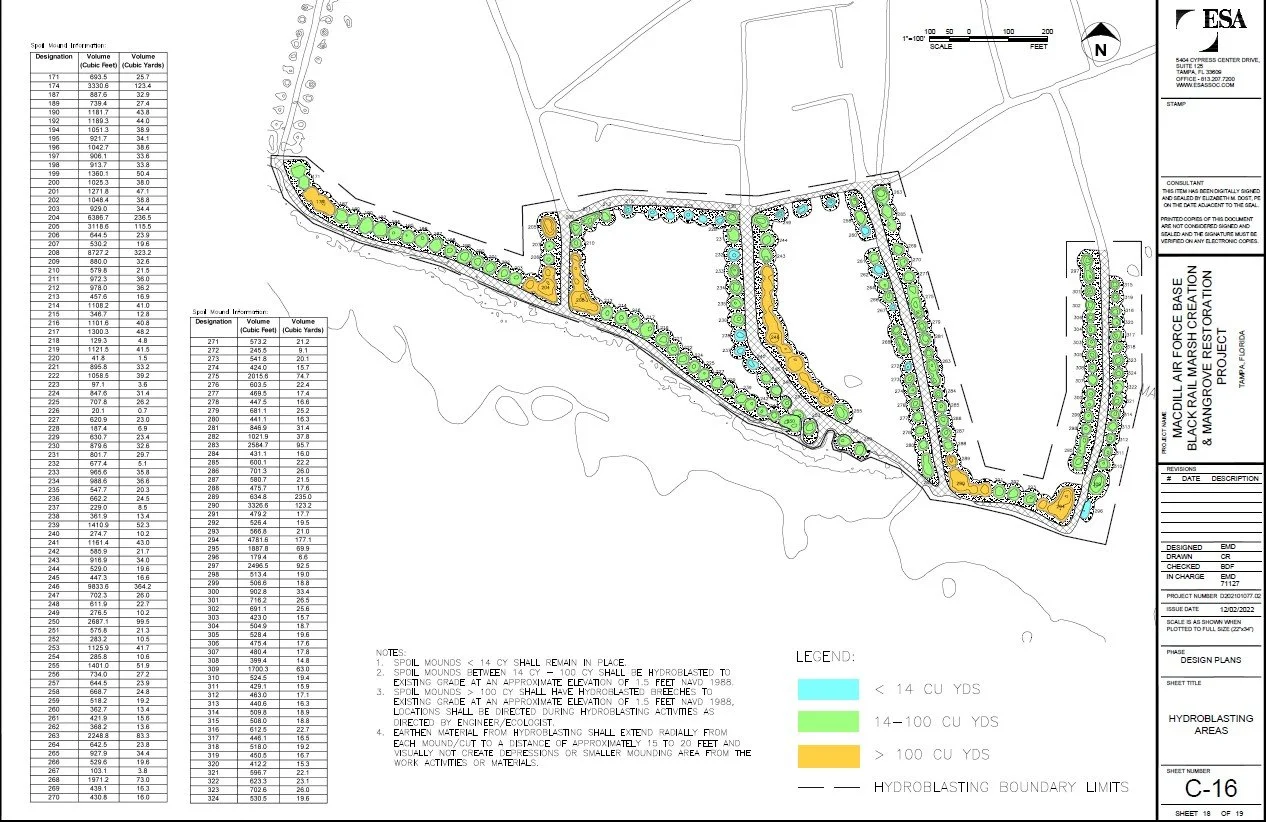
For more than a decade, Ecosphere has partnered with MacDill AFB to implement a long-term master plan to restore these coastal habitats. Restoration work removes the spoil mounds using hydro-blasting, a technique that uses pumps and high-pressure hoses to reduce mound height and restore natural tidal sheet flow. This allows mangroves and native marsh vegetation to recolonize while limiting the return of invasive species.
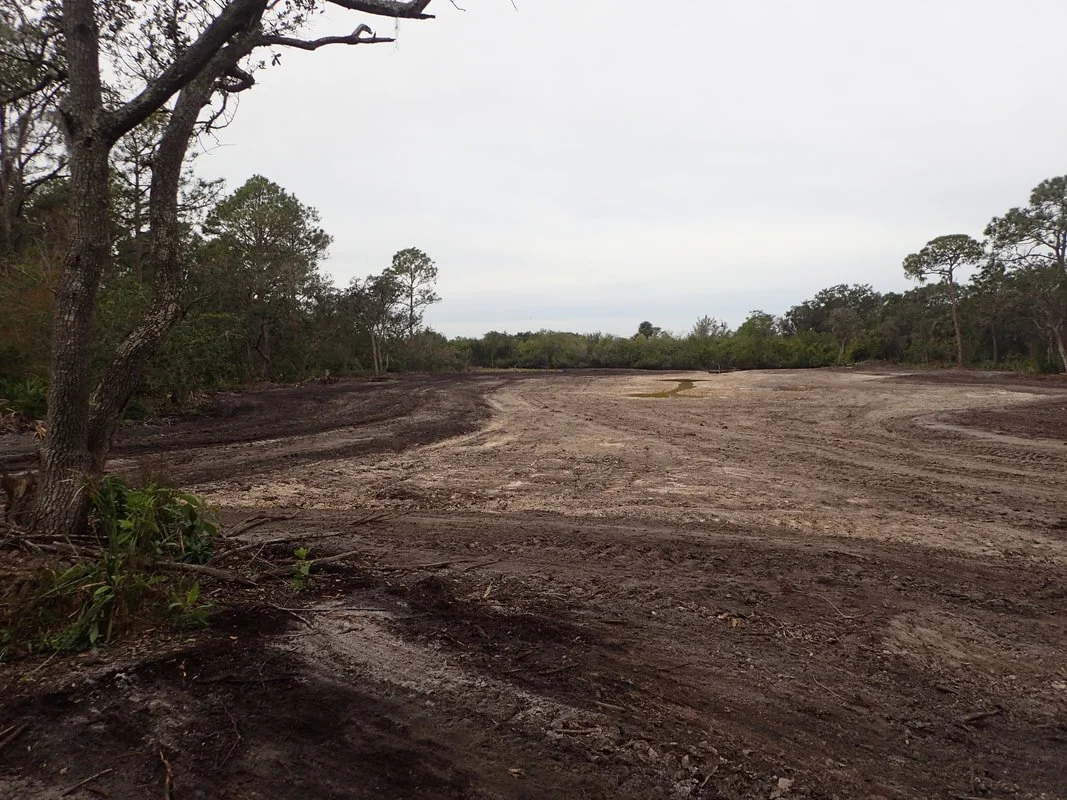
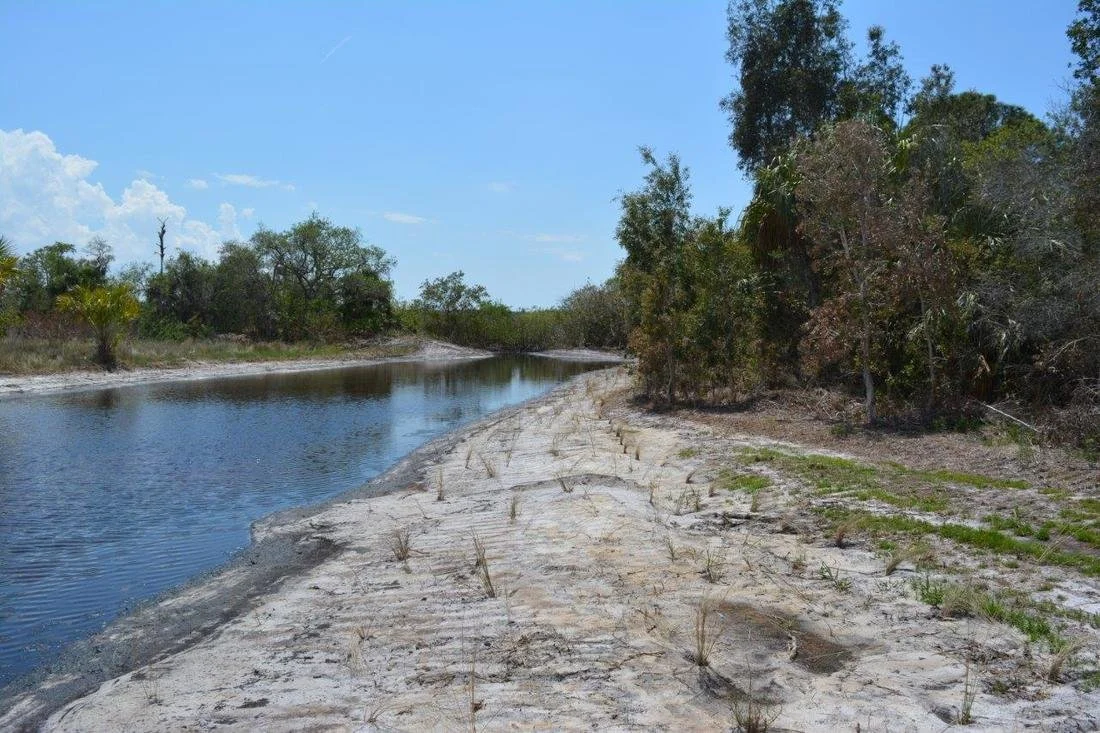
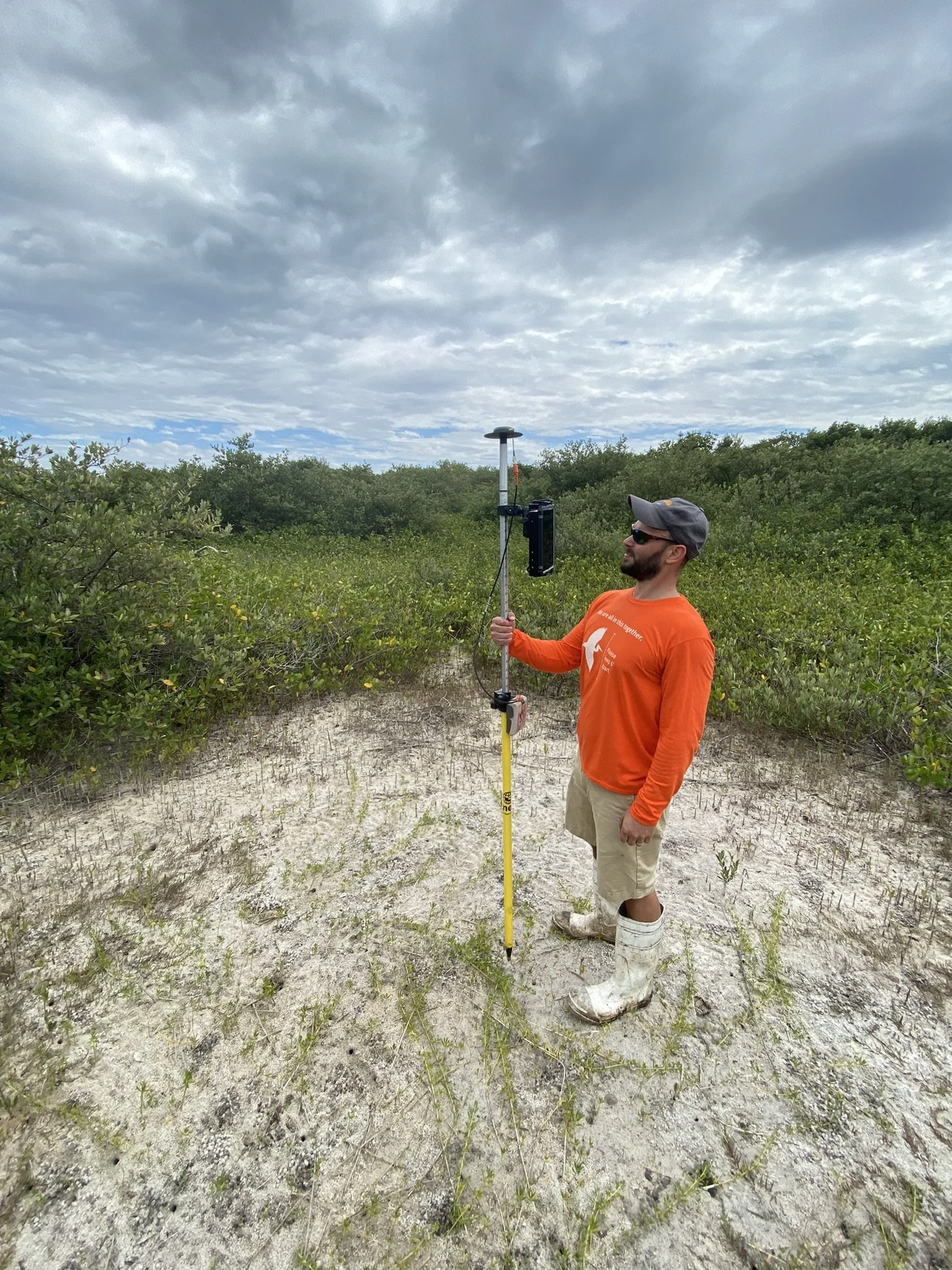
Across multiple phases since 2013, the project has removed 854 spoil mounds and restored or enhanced more than 168 acres of coastal wetlands and uplands. This includes 17.1 acres of new wetlands, 22.8 acres of saltern restoration, 127 acres of mangrove enhancement, and 1.5 acres of upland enhancement.
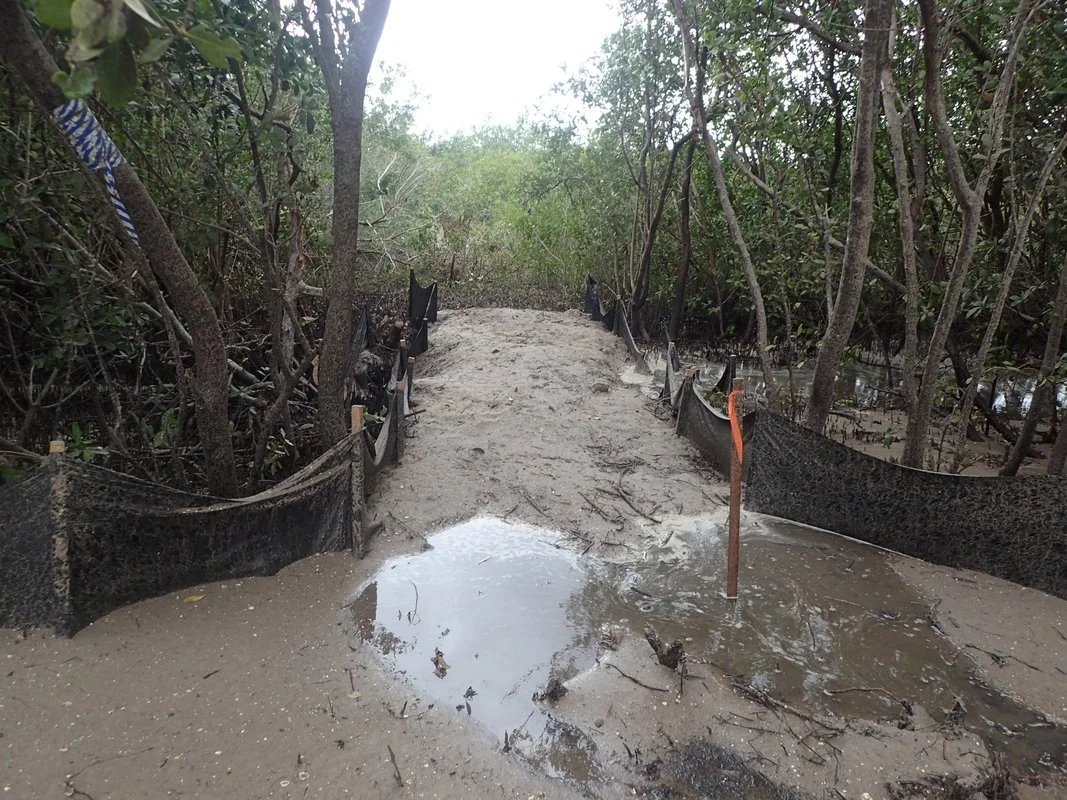
Recent work at Site 20 restored tidal sheet flow through the mangrove forest and improved adjacent saltern habitat through the removal of 73 spoil mounds. The final remaining mangrove restoration area, Site 20a, has been assessed and contains the equivalent volume of approximately 115 additional spoil mounds.
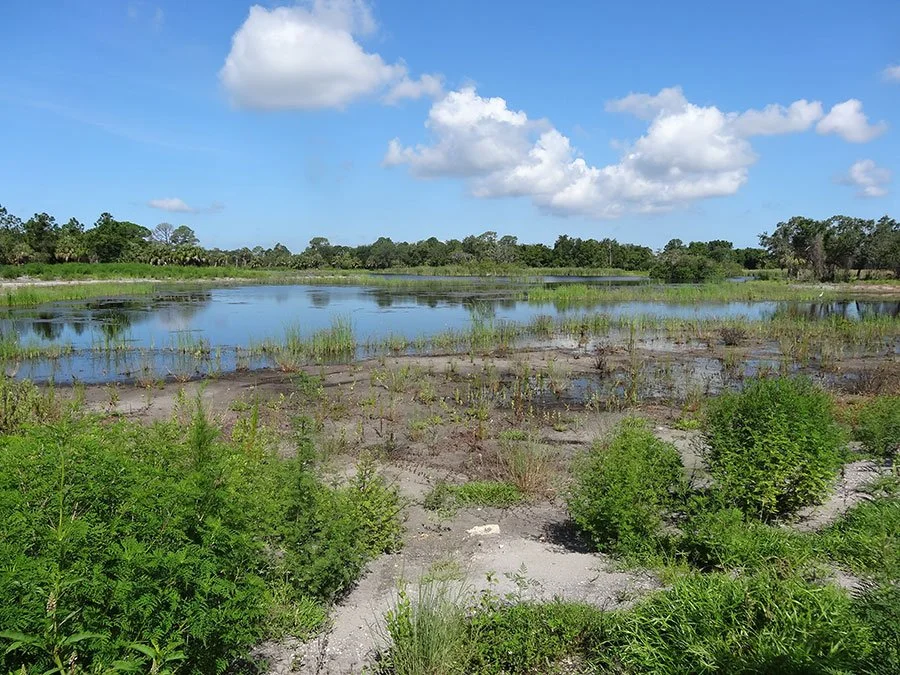
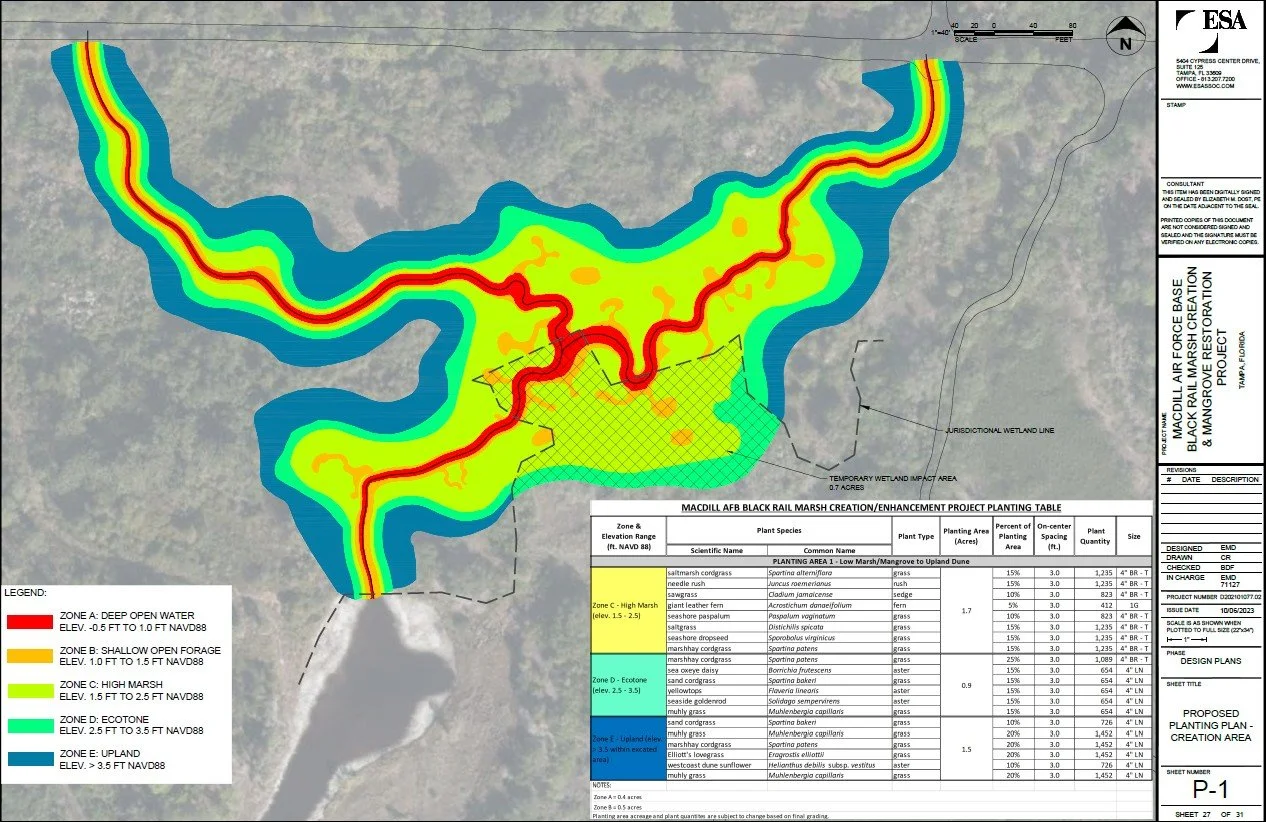
In 2024, Ecosphere also coordinated the MacDill AFB Threatened and Endangered Species Survey, supporting required wildlife assessments on the base. In addition, Ecosphere secured funding through the U.S. Fish and Wildlife Service Coastal Program to design a five-acre freshwater wetland that will provide habitat for the federally protected Eastern Black Rail. The mangrove restoration and freshwater wetland projects have been fully permitted and are ready to move forward once construction funding is secured.
Ecosphere is currently pursuing additional funding, including a NOAA grant, which would allow construction of the Eastern Black Rail wetland and completion of the remaining mangrove restoration as early as 2026.